


-

Add: HeBei ShengShi HongBang Cellulose Technology CO.,LTD.
-

Email
13180486930@163.com -

CONTACT US
+86 13180486930

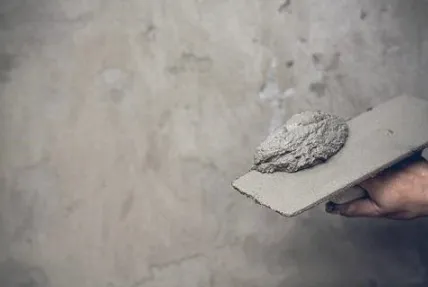
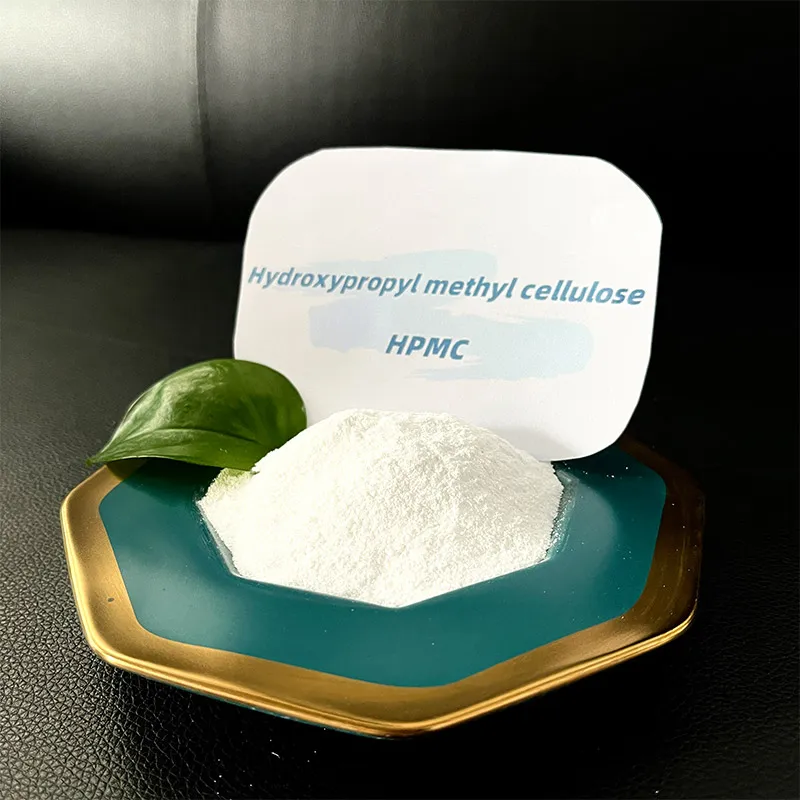
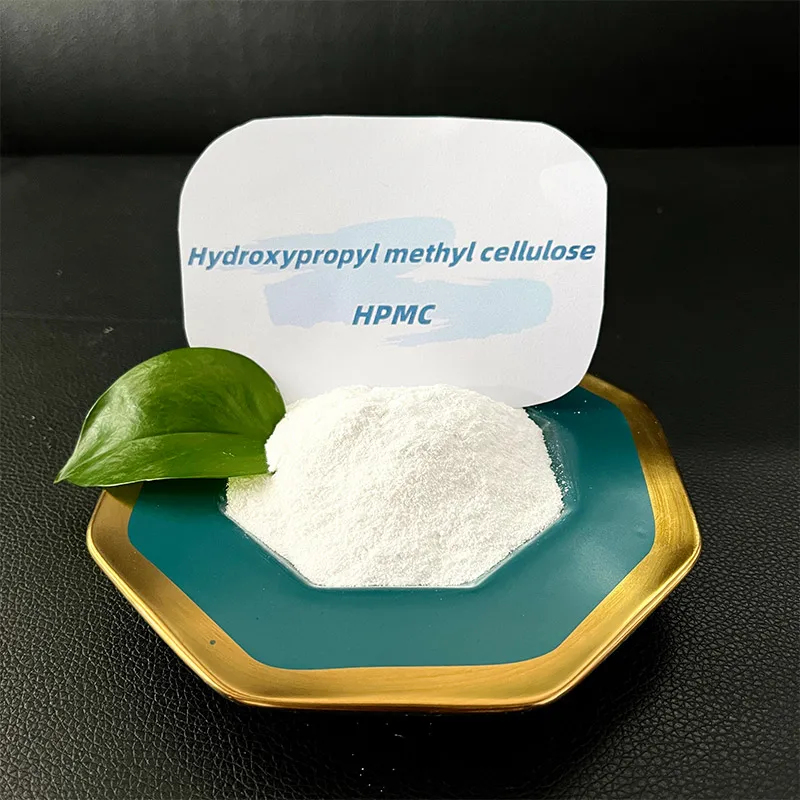
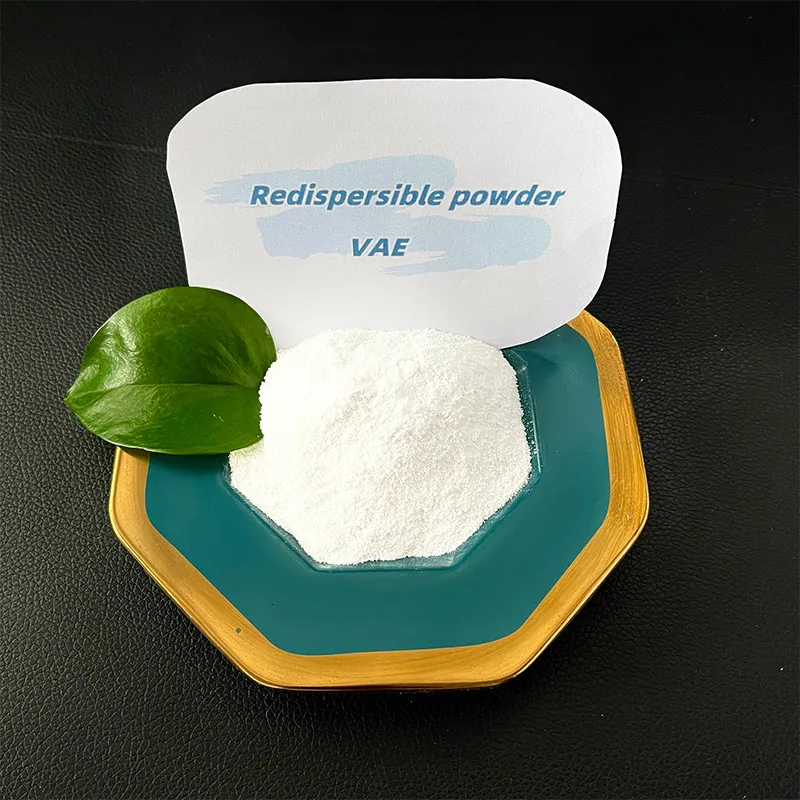


Hydroxypropyl methylcellulose (HPMC), particularly the K100LV grade, is an essential polymer frequently used in a variety of industrial and pharmaceutical applications due to its unique chemical properties and versatility. This analysis delves into the specific functionalities, practical experiences, and benefits of utilizing HPMC K100LV, providing an expert insight into its applications and impact. HPMC K100LV is a low-viscosity variant of the widely used hydroxypropyl methylcellulose, a non-ionic cellulose ether produced by the modification of alkali cellulose with methylene chloride and propylene oxide. This chemical configuration imparts HPMC K100LV with unparalleled water solubility, exceptional film-forming ability, and thermogelation properties, making it highly sought after in various sectors. In the pharmaceutical industry , HPMC K100LV's primary benefit is as an excipient. Its low viscosity facilitates easy tablet binding without the need for high compression forces, allowing for a smoother manufacturing process and consistent tablet hardness. The polymer's thermogelation properties are integral in controlling drug release, ensuring precise dosage and enhancing the bioavailability of medications. Pharmacists and formulation scientists often highlight its role in developing extended-release formulations, ensuring that therapeutic effects are prolonged while maintaining the drug's stability and efficacy. Experts in food technology also recognize the value of HPMC K100LV, particularly in the development of gluten-free products. Its ability to mimic gluten's viscoelastic properties helps create a desirable texture in baked goods, maintaining softness and moisture retention, which is often a challenge in gluten-free baking. Chefs and food product developers share positive experiences of how HPMC K100LV enhances the quality of gluten-free bread and pastries, offering consumers products that align with their dietary needs without compromising taste or texture. HPMC K100LV's utility extends to the construction industry. Its application as a cement additive is well documented, where it significantly improves the workability of dry-mix mortars. The polymer contributes to the mortar's water retention capabilities, resulting in enhanced adhesion and reduced cracking due to shrinkage. Professionals in construction and civil engineering continuously advocate for its use, citing improved durability and performance in various environmental conditions, making it a staple in modern building practices. hpmc k100lv In the context of personal care products, HPMC K100LV plays a crucial role in formulating shampoos, lotions, and creams. Its film-forming properties create a stable emulsion, maintaining product consistency and texture over time. Cosmetic chemists often express appreciation for its multifunctionality, which allows for innovative product formulations that cater to diverse consumer needs, particularly in moisturizing and volumizing products. When discussing the expertise and authority in the use of HPMC K100LV, it is clear that ongoing research and development continue to reveal new applications and improvements. Researchers in materials science and chemical engineering frequently publish studies exploring novel uses for this polymer, reinforcing its position as a versatile material. Trust in HPMC K100LV is fortified by its excellent safety profile and regulatory acceptance. It meets stringent quality standards and is approved for use by regulatory bodies such as the FDA and EMA, providing end-users with confidence in its reliability and consistency. Industries that utilize this polymer often rely on comprehensive supplier quality tests and certifications, underpinning the trustworthiness of HPMC K100LV in maintaining product integrity and safety. Ultimately, HPMC K100LV stands out due to its multifaceted applications and the trust it commands across various industries. Its unique chemical properties facilitate innovation, efficiency, and improved performance in pharmaceuticals, food technology, construction, and personal care products. As advancements in technology and materials science progress, HPMC K100LV will undoubtedly continue to evolve, driving further developments and applications in contemporary industry practices.
- 40000tons

Production
- 20+years

Experience
- 5000+㎡

Acreage

-
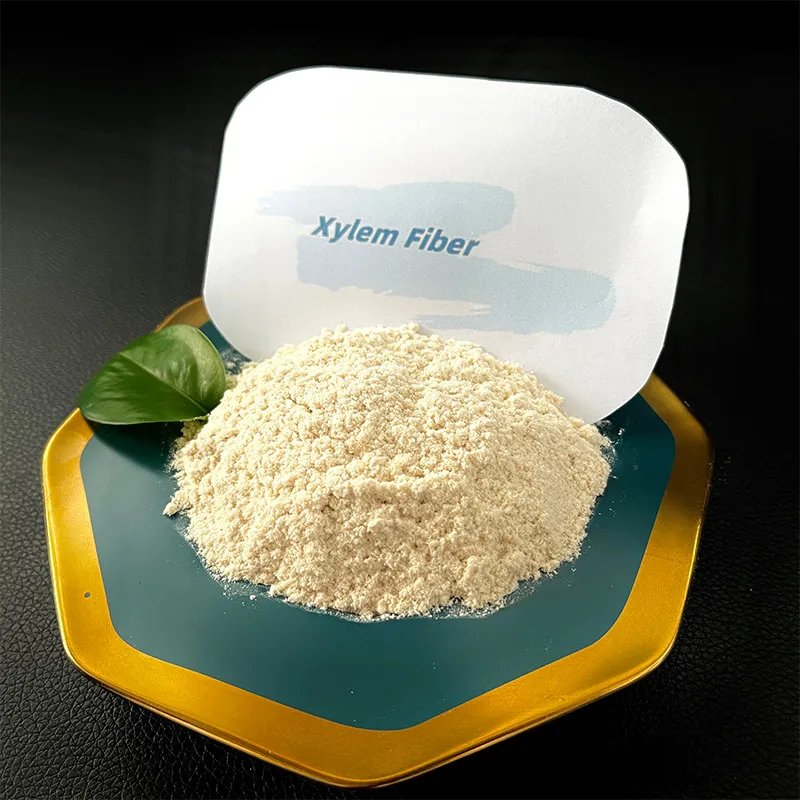
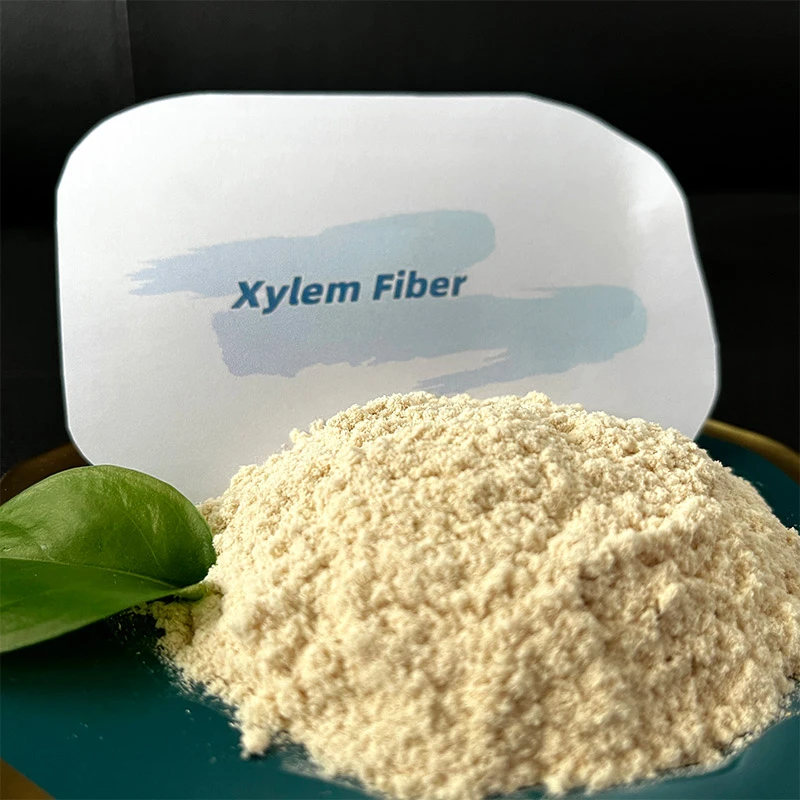
In today’s age of sustainable manufacturing and eco-conscious innovation, wood cellulose has gained immense relevance across diverse industries. Extracted primarily from plant cell walls, wood cellulose fiber stands out as a natural polymer known for its strength, flexibility, and biodegradability. From construction to textiles, and even personal care, this organic material is changing the way manufacturers approach product performance and environmental impact. Unlike synthetic fibers, wood cellulose is renewable, making it a cornerstone in the evolution of green materials. Its unique chemical structure gives it superior compatibility with other natural and synthetic materials, allowing wide-ranging applications without sacrificing quality or performance. Industries now rely on wood cellulose fiber as a cost-effective, eco-friendly alternative in formulations such as plasterboard, adhesives, coatings, personal hygiene items, and building materials. Because it can absorb and retain water while offering excellent reinforcement, its use is both economical and technically valuable. Understanding the Role of Xylem Fiber in Wood Cellulose Production The source of wood cellulose lies deep within plant structures, particularly in what is known as xylem fiber . These fibers are the water-conducting vessels of vascular plants and form the bulk of wood matter. Xylem fiber is rich in cellulose, and once processed, yields high-purity wood cellulose fiber suitable for commercial use. Harvesting and refining xylem fiber involves a meticulous process that removes lignin and other non-cellulosic components. This results in a product with increased whiteness, flexibility, and hydrophilic properties, making it ideal for industrial applications. Whether used in dry-mix mortars or daily chemical products, this purified wood cellulose enhances workability, improves consistency, and ensures thermal stability. As more manufacturers strive to balance performance with sustainability, xylem fiber continues to demonstrate its superior efficiency and ecological advantage. Its use reinforces the global trend toward adopting plant-derived solutions over petrochemical-based alternatives. The Difference Between Sawdust and Wood Cellulose You Should Know One of the most common misconceptions is the difference between sawdust and wood cellulose . While both originate from wood, they differ significantly in composition, processing, and end-use. Sawdust is the coarse byproduct of mechanical woodworking, consisting mainly of wood particles, bark, and possibly contaminants. In contrast, wood cellulose is refined, purified, and chemically processed to isolate the cellulose fibers from lignin and hemicellulose. Understanding the difference between sawdust and wood cellulose is critical when selecting materials for manufacturing or formulation purposes. Sawdust cannot provide the uniformity, solubility, or performance-enhancing properties that wood cellulose fiber offers. The latter is tailored to specific applications like enhancing viscosity in adhesives or acting as a binder in construction materials. When purity and performance matter, wood cellulose is the superior choice. It undergoes rigorous chemical treatment and screening to ensure the material's consistency, safety, and functionality across all use cases, something sawdust simply cannot match. Why Wood Cellulose Fiber Is Dominating the Industrial Market From construction to personal care, the dominance of wood cellulose fiber in modern industry cannot be overstated. Thanks to its unique properties—such as moisture retention, film-forming ability, and thermal insulation—it is preferred in numerous applications ranging from cementitious products to cosmetic creams. In the building industry, wood cellulose fiber improves the workability and adhesion of mortar and plaster. In daily chemical goods, its thickening and stabilizing properties enhance the feel and shelf life of products. Its biodegradability also ensures that products made with wood cellulose fiber leave minimal environmental footprint, aligning with today’s green production goals. Moreover, wood cellulose is highly compatible with other substances like starch ether and HPMC, commonly used in dry-mix systems. This makes it an irreplaceable additive in tile adhesives, wall putty, and EIFS (external insulation and finish systems). Its natural origin and performance advantages give it an edge over synthetic alternatives. Applications and Market Outlook for Wood Cellulose and Xylem Fiber The global demand for wood cellulose and xylem fiber continues to rise, driven by increasing emphasis on eco-friendly materials and biodegradable solutions. Industries are leveraging these fibers to meet sustainability standards while enhancing product quality. In paper manufacturing, wood cellulose fiber is the primary raw material used to achieve high whiteness and printability. In agriculture, it serves as a soil conditioner that retains water and improves aeration. The paint and coatings industry uses it to stabilize emulsions and improve spreadability. Even in personal care products, wood cellulose finds its place as a thickening agent in lotions, shampoos, and toothpaste. Thanks to its versatility and eco-benefits, wood cellulose is expected to remain a critical material in green technologies. Companies investing in high-purity xylem fiber sourcing and innovative processing methods are likely to gain a significant market advantage in the coming years. Xylem fiber FAQs What is the main difference between wood cellulose and xylem fiber? Xylem fiber is the structural component of vascular plants responsible for transporting water, whereas wood cellulose is a processed derivative of these fibers. The cellulose is extracted from xylem fiber through chemical and mechanical processing to yield a purified product used in industrial applications. Can wood cellulose replace synthetic polymers in industrial use? Yes, wood cellulose fiber can effectively replace many synthetic polymers, especially in applications that require biodegradability, moisture retention, or thickening. It offers comparable performance with a much lower environmental impact, making it ideal for green manufacturing. Is there any overlap between sawdust and wood cellulose in use? Not really. While both come from wood, sawdust is a raw byproduct used mainly for low-grade applications like animal bedding or fuel. Wood cellulose , on the other hand, is chemically refined for high-performance industrial applications, making them fundamentally different in quality and use. How is wood cellulose used in construction materials? In the construction industry, wood cellulose fiber is added to dry-mix mortar, tile adhesives, and plasters to enhance workability, water retention, and bonding strength. It improves the rheological properties of the mixture, resulting in smoother application and longer open time. Why is wood cellulose considered environmentally friendly? Wood cellulose is biodegradable, renewable, and derived from natural sources. Unlike petroleum-based materials, it decomposes safely in the environment and does not contribute to long-term pollution. Its use supports sustainable industrial practices and reduces carbon footprint.
-

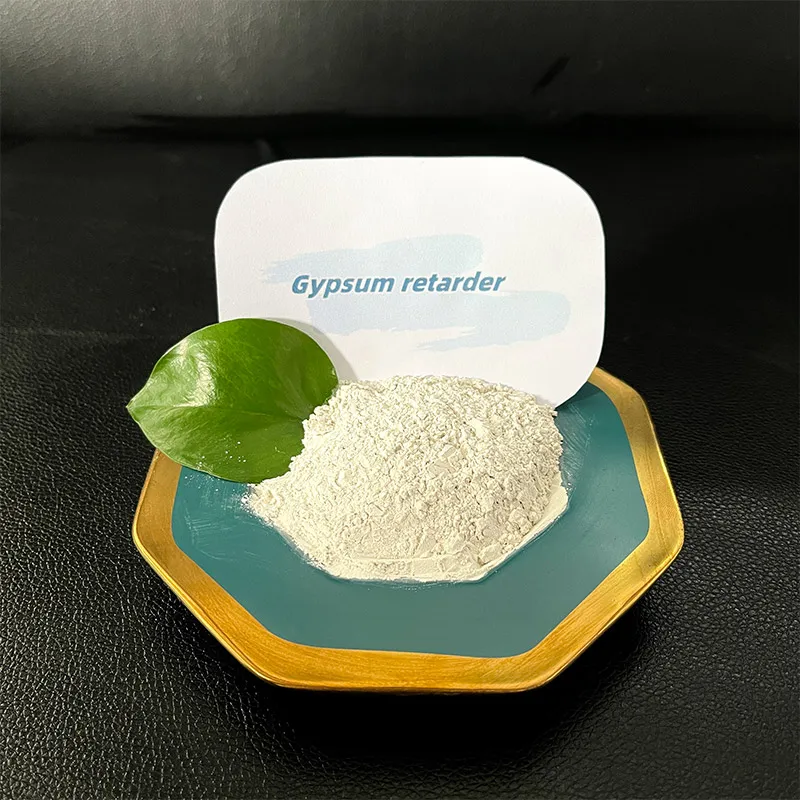
Understanding Gypsum-Based Chemical Additives Applications and Benefits Gypsum, a naturally occurring mineral composed of calcium sulfate dihydrate, has been used in construction and agriculture for centuries. However, its role extends beyond these traditional usages, particularly when combined with various chemical additives. This article delves into gypsum-based chemical additives, their applications, and the benefits they offer across different industries. What are Gypsum-Based Chemical Additives? Gypsum-based chemical additives are substances mixed with gypsum to enhance its performance and functionality. These additives can vary significantly in composition, including organic and inorganic compounds. The primary goal of these additives is to modify the properties of gypsum, making it more versatile and effective for specific applications. Some common additives include retarders, accelerators, and plasticizers. Applications in Construction In the construction industry, gypsum is a critical material used in the production of drywall, plaster, and other building materials. By incorporating chemical additives, manufacturers can improve the mechanical properties and setting times of gypsum products. 1. Retarders These additives slow down the setting time of gypsum, giving builders more time to work with the material before it hardens. This is particularly useful in large projects where extensive application is required. 2. Accelerators On the other hand, accelerators speed up the setting time of gypsum products. This feature is beneficial in situations where quick drying is needed, such as in repair work or time-sensitive projects. . Benefits in Agriculture гипс удаашруулагч химийн Gypsum-based chemical additives are not limited to construction; they also have significant applications in agriculture. Gypsum can improve soil structure, drainage, and aeration, while the addition of certain chemical agents can further enhance these effects. 1. Soil Amendment Gypsum helps to loosen compacted soil and improves water infiltration. When combined with organic matter or specific chemical additives, gypsum can significantly boost soil fertility. 2. Nutrient Management The addition of gypsum can help manage toxic levels of sodium in the soil, allowing crops to access essential nutrients more effectively. This is particularly beneficial in saline soil environments. 3. pH Regulation Some gypsum-based additives can help regulate soil pH, fostering an ideal environment for crops to thrive. This is essential for optimizing crop yield and quality. Environmental Impact and Sustainability In recent years, the emphasis on sustainable practices in both construction and agriculture has led to increased interest in gypsum-based chemical additives. These materials are environmentally friendly, as they are derived from natural sources and can enhance the sustainability of projects. For instance, the use of gypsum can help reduce waste in construction by allowing for the recycling of materials. In agriculture, gypsum can mitigate the adverse effects of soil salinity and improve the overall health of the ecosystem. Conclusion Gypsum-based chemical additives play a crucial role in enhancing the properties and functionality of gypsum in various applications. From improving construction materials to addressing agricultural challenges, these additives contribute to greater efficiency, effectiveness, and sustainability. As industries continue to seek innovative solutions to meet demands, the importance of gypsum and its chemical enhancements will undoubtedly grow. Understanding and leveraging these materials can pave the way for more sustainable practices, benefiting both the environment and economies worldwide. In conclusion, the diverse applications of gypsum-based chemical additives illustrate their significance in modern industries. Their ability to improve material performance while promoting sustainability showcases the potential for these natural minerals to address contemporary challenges. As research and development continue in this field, we can expect to uncover even more benefits, further solidifying gypsum’s role as a cornerstone material in construction and agriculture.
advantages
-

200000 Viscosities
Excellent product
We can produce pure products up to 200,000 viscosities
-

40000 tons
High yield
We don’t stop production all year round, and the annual output can reach 40,000 tons
-

24 hours
Quality service
We provide 24-hours online reception service, welcome to consult at any time
———— Inquiry Form
Schedule A services
-
 polvo_de_hidroxipropilmetilcelulosa
Oct . 25, 2025
Hydroxypropyl methylcellulose (HPMC) is increasingly being recognized for its diverse applications i -
 is_hpmc_soluble_in_water
Oct . 25, 2025
The demand for high-quality rubber products has never been higher, driven by advancements in manufac -
 synthetic_concrete_reinforcing_fibers
Oct . 25, 2025
High Performance Computing (HPC) and Hydroxypropyl Methylcellulose (HPMC) might seem like disparate


